
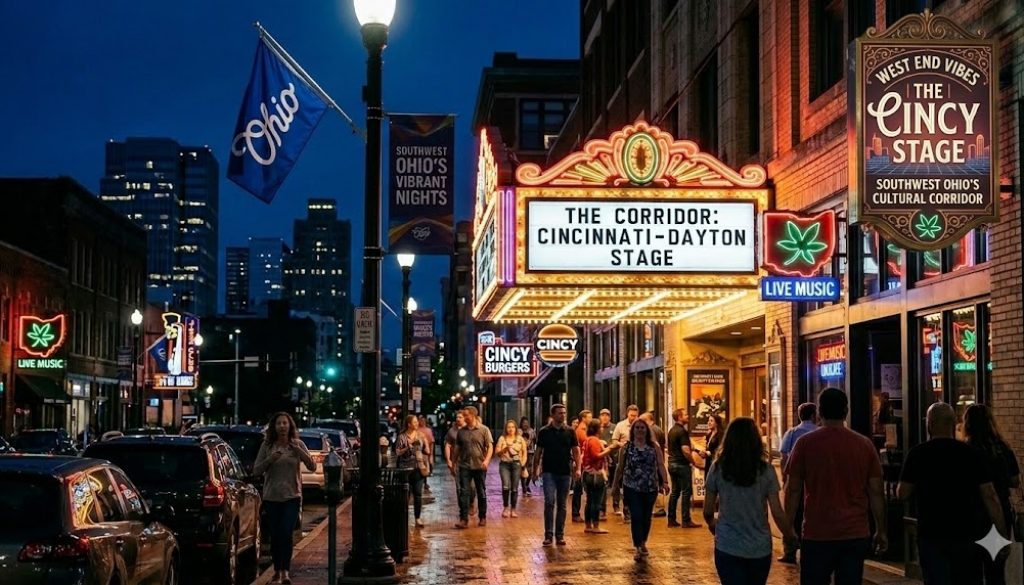
The Return of the Urban Core: Why Young Buyers Are Rediscovering OTR, Walnut Hills, and Dayton’s Oregon District
For much of the past decade, suburban and exurban housing dominated buyer interest across southwest Ohio. Space, affordability, and remote work pushed many households away from city centers. But as the market evolves, a notable shift is underway: young buyers are rediscovering the urban core.
Neighborhoods like Over-the-Rhine (OTR) and Walnut Hills in Cincinnati, along with Dayton’s Oregon District, are seeing renewed attention from buyers and investors who value walkability, character, and access to amenities. This return is not a rejection of the suburbs, but a recalibration of priorities — especially among younger professionals, first-time buyers, and small-scale investors.
This article explores why demand is returning to urban neighborhoods, what buyers are looking for, and how this trend is shaping housing decisions across Cincinnati and Dayton.
Why Urban Living Is Gaining Momentum Again
The renewed interest in urban neighborhoods is driven by a combination of lifestyle, economic, and demographic factors.
Changing Work Patterns
Remote and hybrid work initially fueled suburban growth, but over time it has also made
location choice more flexible. Without a daily commute, buyers can prioritize:
- Walkability
- Proximity to social and cultural amenities
- Neighborhood identity
Urban neighborhoods offer these benefits in ways that are difficult to replicate elsewhere.
Lifestyle Over Square Footage
Many younger buyers are willing to trade extra space for:
- Shorter commutes to social activities
- Reduced dependence on cars
- Access to restaurants, parks, and events
Rather than viewing smaller homes or condos as compromises, these buyers see them as intentional lifestyle choices.
Desire for Community and Identity
Urban neighborhoods tend to offer:
- Distinct architectural character
- Strong neighborhood identities
- Active civic and social engagement
For buyers seeking a sense of place, these qualities are often more compelling than newer, uniform developments.
Over-the-Rhine: A Maturing Urban Market
OTR has been a focal point of Cincinnati’s urban revitalization for years. What’s changing now is the type of buyer entering the market.
Shifting Buyer Profile
Earlier phases of redevelopment attracted:
- Early-stage investors
- Renters and short-term residents Today’s buyers increasingly include:
- First-time homeowners
- Long-term residents
- Small-scale investors focused on stability
This shift reflects a neighborhood that has moved beyond speculation into maturation.
Condo vs. Historic Home Demand
In OTR, buyers are often choosing between:
- Condos with modern finishes and shared amenities
- Renovated historic row homes with unique layouts Condos appeal to buyers seeking:
- Lower maintenance
- Predictable expenses
- Lock-and-leave convenience Historic homes attract those who value:
- Architectural character
- Long-term appreciation potential
- Customization opportunities
Both segments remain active, supporting a diverse housing market.
Walnut Hills: A Neighborhood in Transition
Walnut Hills represents a different phase of urban resurgence — one driven by incremental redevelopment and long-term investment. Why Buyers Are Looking Here
Walnut Hills offers:
- Proximity to downtown and major medical centers
- Larger historic homes than many urban neighborhoods
- Ongoing commercial and residential investment
For buyers priced out of OTR or seeking more space, Walnut Hills provides an alternative with upside potential.
Investor Interest and Caution
Investors are drawn to Walnut Hills for:
- Value-add opportunities
- Long-term appreciation potential
- Demand from renters tied to healthcare and education However, success requires:
- Understanding block-by-block differences
- Careful renovation planning
- Long-term holding strategies
This is not a quick-turn market, but one suited to patient capital.
Dayton’s Oregon District: Walkability With Character
In Dayton, the Oregon District plays a similar role to OTR, offering a dense, walkable environment with strong local identity.
What Draws Buyers
The Oregon District appeals to buyers seeking:
- A true neighborhood feel
- Independent restaurants and shops
- Cultural and community events
Its scale is smaller than Cincinnati’s urban core, but that intimacy is part of the appeal.
Housing Demand Patterns
Buyers in the Oregon District often favor:
- Smaller historic homes
- Condos and townhomes
- Properties with minimal yard maintenance
As Dayton continues to reinvest in its downtown, demand for housing near established districts remains steady.
Transit, Infrastructure, and Urban Access
Urban resurgence is rarely driven by housing alone. Infrastructure improvements play a critical role.
Transportation and Connectivity
Improvements to:
- Public transit routes
- Bike infrastructure
- Pedestrian-friendly streets
…make urban neighborhoods more livable and accessible, especially for buyers seeking car-light lifestyles.
Proximity to Employment
Urban neighborhoods often sit close to:
- Healthcare systems
- Universities
- Government and professional offices
This proximity supports both owner-occupant demand and rental stability.
Investor Perspective: Urban Demand Has Changed
Today’s urban investors are more focused on:
- Long-term tenant quality
- Neighborhood stability
- Cash flow over speculation
Short-term rental demand still exists, but many investors are shifting toward traditional rentals that benefit from steady neighborhood growth.
Urban properties can ofer:
- Lower vacancy rates
- Strong renter demand
- Higher rent per square foot
When acquired and managed carefully, they can complement suburban portfolios.
Common Buyer Misconceptions
Urban living is not without challenges, and buyers benefit from realistic expectations. Common misconceptions include:
- Assuming all urban neighborhoods are the same
- Underestimating renovation and maintenance costs
- Ignoring parking and zoning considerations
Successful urban buyers tend to research deeply and think long-term.
How This Trend Fits into the Broader Market
The return of urban demand does not replace suburban interest — it coexists with it. Southwest Ohio’s housing market is becoming more segmented:
- Suburbs for space and schools
- Corridor communities for flexibility
- Urban cores for lifestyle and walkability
This diversity strengthens the overall market by appealing to diferent buyer profiles.
What This Means for the Future
As younger buyers age and their needs evolve, many will remain in urban neighborhoods longer than previous generations. This supports:
- Continued reinvestment
- Stable demand
- Gradual appreciation
Neighborhoods like OTR, Walnut Hills, and the Oregon District are no longer fringe markets
— they are established parts of the regional housing ecosystem.
Final Thoughts
The renewed interest in Cincinnati and Dayton’s urban cores reflects a broader shift in how buyers define value. Walkability, character, and access to amenities are once again influencing housing decisions alongside price and space.
For buyers and investors willing to understand neighborhood dynamics and plan for the long term, urban cores in southwest Ohio continue to ofer meaningful opportunity — not as speculative plays, but as livable, evolving communities.