
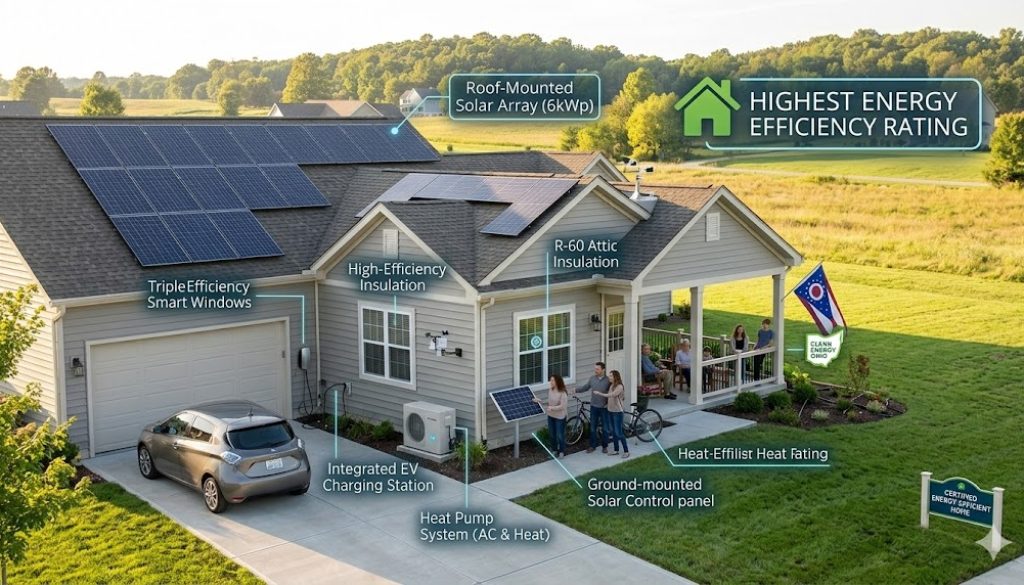
Cincinnati & Dayton’s Hidden Energy-Efficiency Incentives: How Homeowners Can Save in 2026
Energy efficiency has moved from a “nice-to-have” feature to a serious financial consideration for homeowners and real estate investors. Rising utility costs, new federal tax credits, and expanded local rebate programs are pushing more buyers to ask not just what a home costs, but what it costs to operate.
In the Cincinnati and Dayton housing markets, many homeowners are unaware of how many energy-efficiency incentives already exist — or how those incentives can influence resale value, rental performance, and long-term affordability. As 2026 approaches, these programs are becoming increasingly relevant for both buyers planning upgrades and investors evaluating return on investment.
This article breaks down the most relevant energy-efficiency incentives available in southwest Ohio, explains how they work, and explores how energy upgrades affect property value in real-world transactions.
Why Energy Efficiency Matters More Than Ever
Energy efficiency is no longer driven purely by environmental concerns. For most buyers and investors, it’s about monthly cost control and future-proofing.
Key factors driving interest include:
- Rising electricity and natural gas costs
- Aging housing stock in many Cincinnati and Dayton neighborhoods
- Expanded federal and state incentive programs
- Growing buyer awareness of operating expenses
Homes with lower utility costs are increasingly easier to market, especially to first-time buyers and long-term renters.
Federal Incentives Set the Foundation
While this article focuses on local and regional programs, federal incentives play an important supporting role.
Under current federal guidelines:
- Certain energy-efficient upgrades may qualify for tax credits, not just deductions
- Eligible improvements often include insulation, HVAC systems, windows, doors, and heat pumps
- Credits can offset a portion of upgrade costs over multiple tax years
These incentives often stack with utility and local programs, increasing overall savings.
Utility-Based Incentives in Southwest Ohio
Utility companies are a major — and often overlooked — source of energy-efficiency incentives.
Duke Energy (Cincinnati Area)
Duke Energy serves much of the greater Cincinnati region and offers programs that may include:
- Rebates for energy-eficient HVAC systems
- Incentives for insulation and air sealing
- Smart thermostat rebates
- Home energy assessments
Many of these programs are designed to reduce peak demand, which aligns with long-term grid planning.
AES Ohio (Dayton Area)
AES Ohio serves Dayton and surrounding communities and offers similar initiatives, such as:
- HVAC efficiency rebates
- Incentives for efficient water heating systems
- Programs targeting older homes with high energy usage
- Energy audits that identify cost-effective upgrades
For homeowners in older Dayton neighborhoods, these programs can be especially valuable.
Municipal and Local Programs You Might Miss
Beyond utility companies, some cities and counties offer:
- Property-based energy improvement programs
- Low-interest financing for efficiency upgrades
- Pilot programs focused on specific neighborhoods or housing types
These programs are often less visible and may change year to year, which is why many homeowners miss them entirely.
Buyers planning renovations should research incentives before closing, as eligibility sometimes depends on ownership timing or pre-approval.
Common Energy Upgrades That Qualify
Not every upgrade qualifies for incentives, but several improvements consistently offer strong returns.
Insulation and Air Sealing
Often the most cost-effective improvements:
- Lower heating and cooling costs
- Improve comfort
- Particularly impactful in older homes
HVAC System Upgrades
High-efficiency furnaces, air conditioners, and heat pumps:
- Reduce monthly utility bills
- Often qualify for multiple incentive layers
- Improve resale appeal
Windows and Doors
While more expensive:
- Improve energy performance and comfort
- Increase buyer appeal
- Can qualify for tax credits when efficiency standards are met
Smart Home Energy Controls
Smart thermostats and energy monitoring systems:
- Lower upfront cost
- Eligible for utility rebates
- Attractive to tech-savvy buyers and renters
How Energy Efficiency Affects Resale Value
Energy-efficient upgrades rarely add dollar-for-dollar value like kitchens or bathrooms — but they can influence how fast a home sells and who it attracts.
Homes with documented efficiency improvements often:
- Stand out in online listings
- Appeal to cost-conscious buyers
- Reduce negotiation pressure around utility costs
In competitive markets, lower operating expenses can tip buyer decisions.
Investor Perspective: Operating Costs Matter
For investors, energy efficiency directly affects:
- Net operating income
- Tenant retention
- Maintenance costs
Rental properties with lower utility bills are easier to lease and often experience:
- Longer tenant stays
- Fewer utility-related complaints
- Lower turnover costs
Some investors also market energy efficiency as a feature, not just a benefit.
Energy Efficiency and Older Housing Stock
Much of Cincinnati and Dayton’s housing inventory was built before modern efficiency standards. This creates both challenges and opportunities.
Older homes may:
- Qualify for more incentive programs
- Ofer greater improvement potential
- Require careful planning to avoid over-improvement
Strategic upgrades can significantly improve livability without compromising historic character.
Planning Ahead for 2026
Energy-efficiency incentives evolve regularly. Programs available today may expand, shift, or be replaced by new initiatives by 2026.
Homeowners and buyers can prepare by:
- Prioritizing upgrades with multiple benefits
- Keeping documentation for incentives and resale
- Monitoring utility and municipal program updates
Investors planning multi-year holds should factor future efficiency upgrades into capital planning.
Common Mistakes to Avoid
- Assuming incentives apply automatically
- Missing pre-approval requirements
- Over-investing in upgrades that won’t be recouped
- Ignoring local utility program deadlines
Energy efficiency works best when planned strategically, not reactively.
Final Thoughts
Energy-efficiency incentives in Cincinnati and Dayton represent a meaningful opportunity for homeowners and investors — but only for those who understand how to use them.
As buyers become more cost-aware and investors focus on operational efficiency, homes that balance upfront affordability with long-term savings will continue to gain attention. For those planning upgrades or purchases ahead of 2026, understanding these programs can translate into real financial advantage.